
SHOP TONATIERRA

10oz fair trade organic coffee from the Indigenous regions of the Mayan peoples. Roasted locally.

Purchase a gift card for any products on our online store. Know you are giving the gift of Justice and supporting an Indigenous Peoples project.

Comparing three different versions of the UN Declaration on the Rights of Indigenous Peoples (DRIP), Indigenous Nations’ Rights in the Balance analyses the implications of the changes made to DRIP for Indigenous Peoples and Nations.
This is a foundational text for Indigenous law and rights and the global struggle of Indigenous Peoples in the face of modern states.
Between 1994 and 2007, three different versions of the Declaration on the Rights of Indigenous Peoples were passed by various bodies of the United Nations, culminating in the final version passed by the UN General Assembly. Significant differences exist between these versions—differences that deeply affect the position of all Indigenous Peoples in the world community.
In Indigenous Nations’ Rights in the Balance, Charmaine White Face gives her well-researched comparative analysis of these versions. She puts side-by-side, for our consideration, passages that change the intent of the Declaration by privileging the power and jurisdiction of nation states over the rights of Indigenous Peoples. As Spokesperson representing the Sioux Nation Treaty Council in UN proceedings, she also gives her insights about each set of changes and their ultimate effect.

“We can not have peace on earth if we are not at peace with Mother Earth” Quote from Tupac Enrique Acosta
A response to the central mission of the United Nations which is the “maintenance of international peace and security.”
Design by Cultura o Muerte
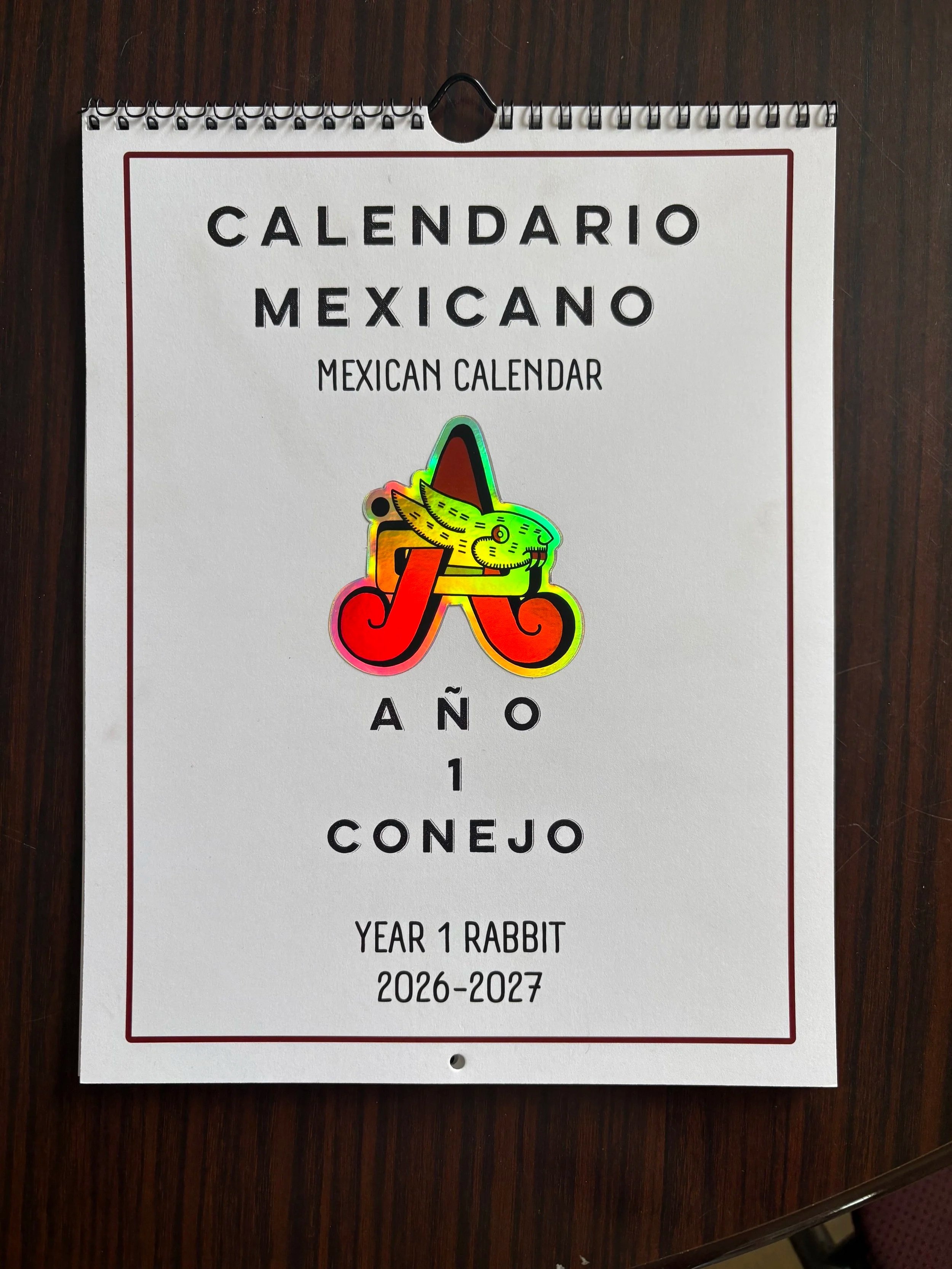
Calendaro Mexicano depicts the days, months of the Gregorian calendar into the Tonalpohualli, the Aztec calendar cempohualli’s (20 day counts)
Design and Artwork by Jeanette Rocha
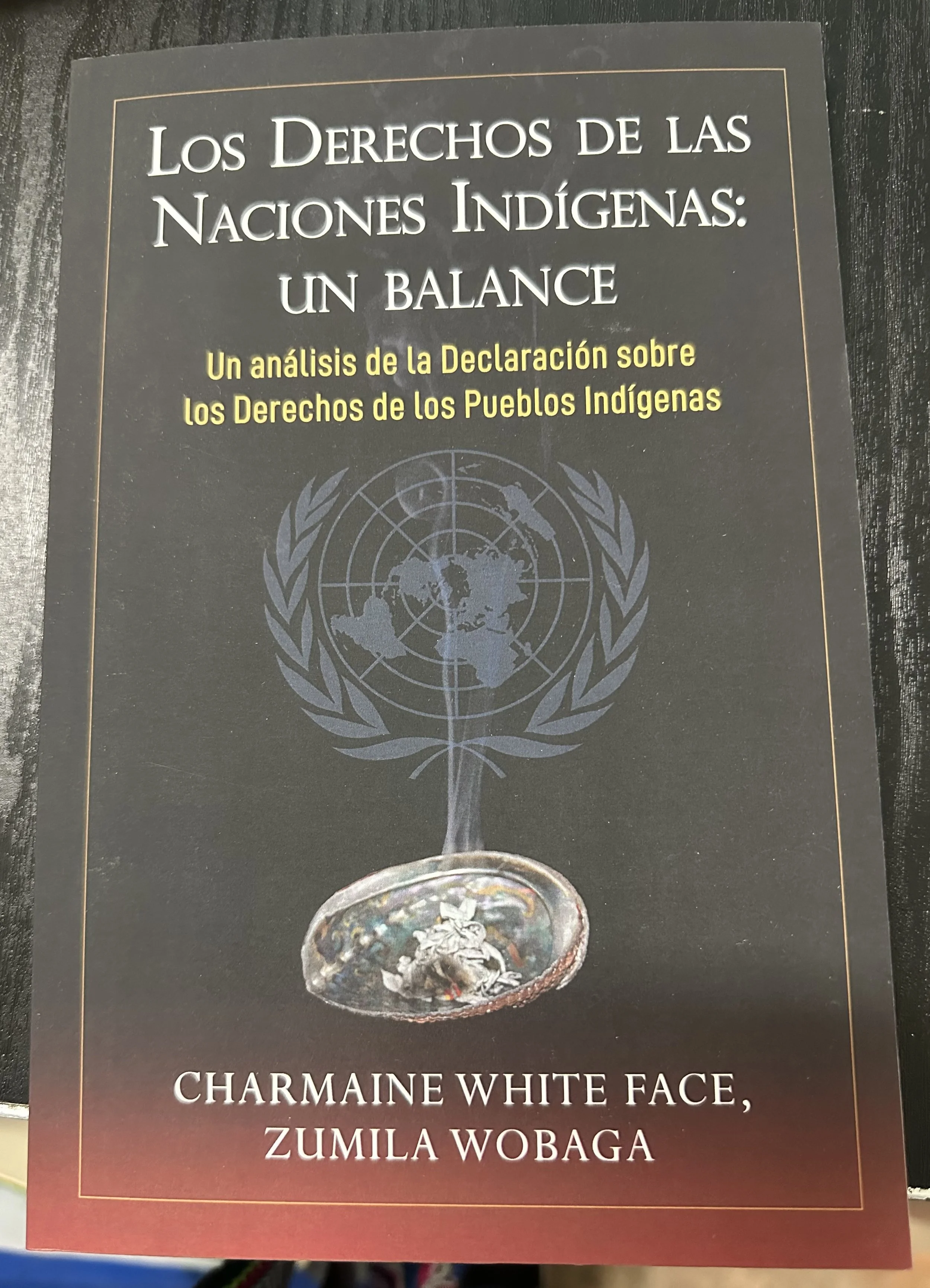
Al comparar tres versiones diferentes de la Declaración de las Naciones Unidas sobre los Derechos de los Pueblos Indígenas (DRIP), Indigenous Nations' Rights in the Balance analiza las implicaciones de los cambios realizados en el DRIP para los pueblos y las naciones indígenas.
Este es un texto fundamental para la ley y los derechos indígenas y la lucha global de los pueblos indígenas frente a los estados modernos.
Entre 1994 y 2007, varios órganos de las Naciones Unidas aprobaron tres versiones diferentes de la Declaración sobre los Derechos de los Pueblos Indígenas, que culminaron en la versión final aprobada por la Asamblea General de las Naciones Unidas. Existen diferencias significativas entre estas versiones, diferencias que afectan profundamente a la posición de todos los pueblos indígenas en la comunidad mundial.
En Indigenous Nations' Rights in the Balance, Charmaine White Face da su análisis comparativo bien investigado de estas versiones. Ella pone uno al lado del otro, para nuestra consideración, pasajes que cambian la intención de la Declaración al privilegiar el poder y la jurisdicción de los estados-nación sobre los derechos de los pueblos indígenas. Como portavoz que representa al Consejo del Tratado de la Nación Sioux en los procedimientos de la ONU, también da sus ideas sobre cada conjunto de cambios y su efecto final.
1lb Coffee from Indigenous regions of the Mayan peoples.